
How Dermaplaning Enhances Hydrafacial
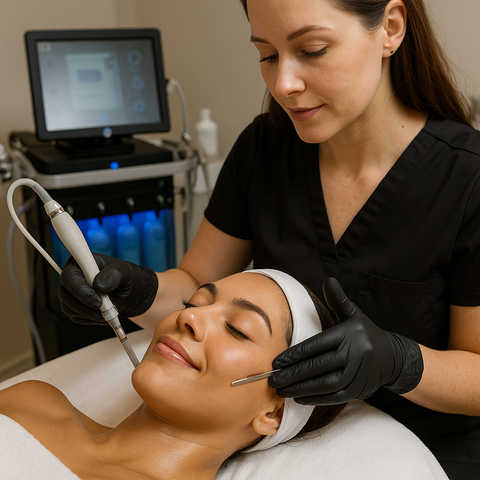
Dermaplaning as an add-on prepares the skin so HydraFacial serums work more effectively. By removing the outer layer of dead skin cells and fine vellus hair, topical products can reach the surface more directly. At Sheila Marie Aesthetics this pairing emphasizes deeper product penetration, which clients report translates into an immediately smoother, more luminous appearance.
Clients notice outcomes such as improved texture and a brighter look after combining the two services. While individual responses vary, real client feedback from San Mateo shows more noticeable glow and smoother makeup application after dermaplaning plus HydraFacial. This add-on is offered for $60 and is selected by clients preparing for events or regular skin maintenance.
What To Expect During Treatment
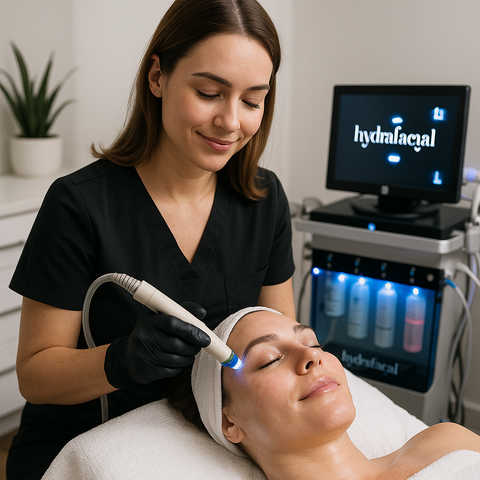
The session begins with a brief skin assessment to confirm suitability and address goals. Dermaplaning is performed before the HydraFacial portion so that serums meet a freshly smoothed surface. Many clients comment that the overall HydraFacial experience at Sheila feels relaxing and attentive, with clear explanations at each step and a focus on client comfort throughout the treatment.
Results you’ll likely notice right away include smoother skin texture and an immediate radiance that many clients describe as a ‘glow.’ Because feedback repeatedly highlights comfort and a gentle approach, you can expect a careful technique and an individualized recommendation for aftercare and follow-up during your appointment.
Choosing Timing In San Mateo
Local timing matters: busiest months include May, November, and December as clients often prepare skin for weddings and holiday events. Commuter schedules in San Mateo mean many people book around mornings or evenings; Sheila’s Central San Mateo location near Hillsdale Shopping Center and US-101 makes it convenient for before- or after-work appointments.
San Mateo’s mild coastal climate and active, time-pressed lifestyle shape how clients schedule care—parents and professionals frequently choose treatments that provide immediate, visible benefits. Many clients combine a visit with errands at nearby Hillsdale Shopping Center or a walk at Coyote Point, making a single appointment fit into a busy day.